
(Description below)











From Diplomacy to the Interpersonal – “Bridges of Love”
(2014–2015)
(2014–2015)
When the State of Israel was established on May 14, 1948, it was difficult to imagine that it would one day form diplomatic relations with the Federal Republic of Germany, founded a year later—particularly in light of the crimes committed by Nazi Germany, including the systematic murder of six million Jews. Yet on May 12, 1965, the seemingly impossible occurred: official diplomatic relations between the two countries were established.
At the interpersonal level, relationships between people categorized as “German” and “Jewish” were likewise heavily restricted under National Socialism. With the enactment of the Nuremberg Laws on September 15, 1935, marriages and relationships between Jews and non-Jews were criminalized and framed as so-called “racial defilement.”
Today, more than seventy years after the end of World War II, a different reality has emerged. Across different social contexts in both countries, German–Israeli couples and families have formed relationships that are not defined by the past alone, but that actively negotiate and transform it.
The evolving relationship between Germany and Israel—both at the political and interpersonal level—points toward the possibility of connection beyond historical rupture. Bridges of Love approaches this space through intimate, lived relationships and marks an early exploration of relational dynamics that continues in later works.
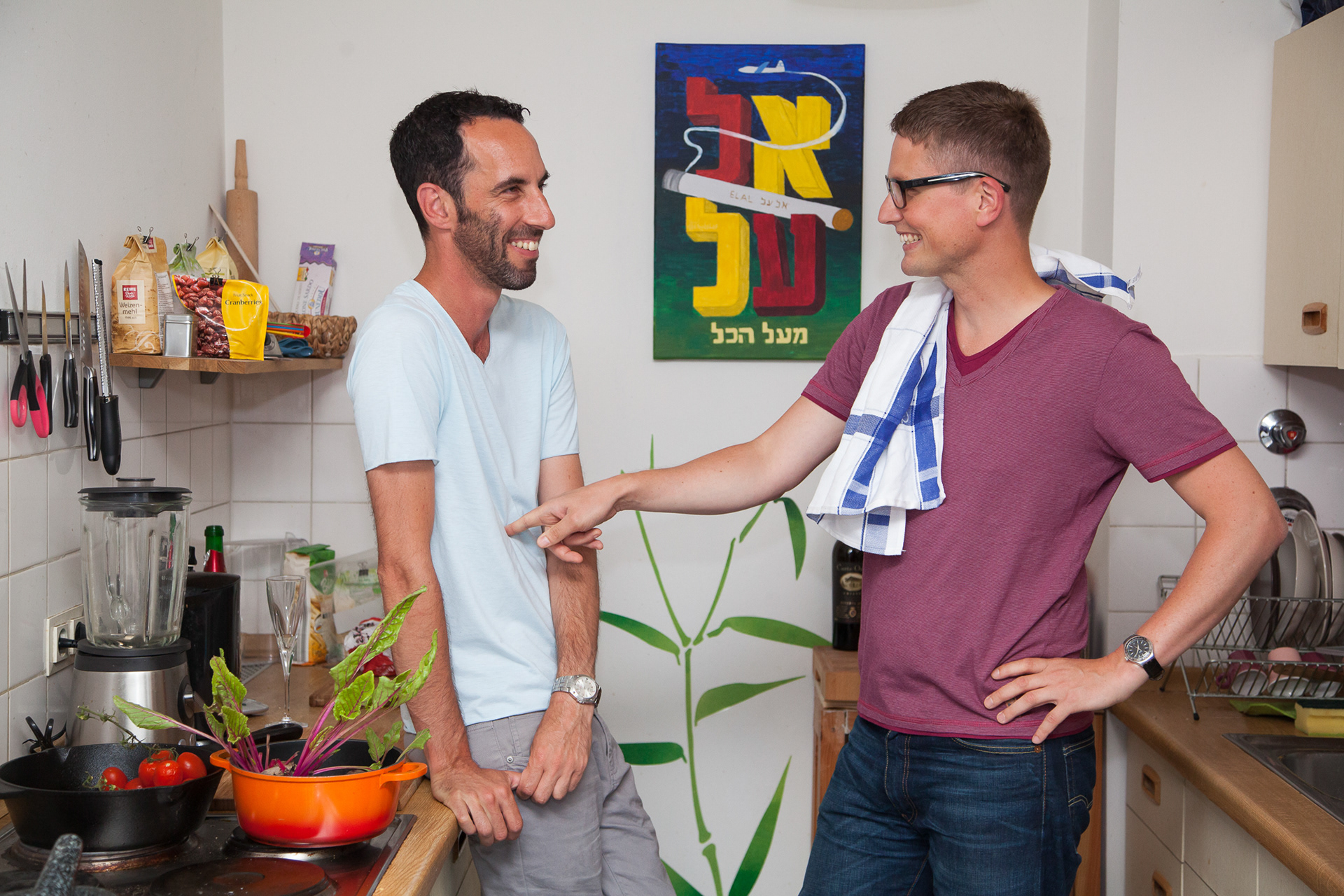
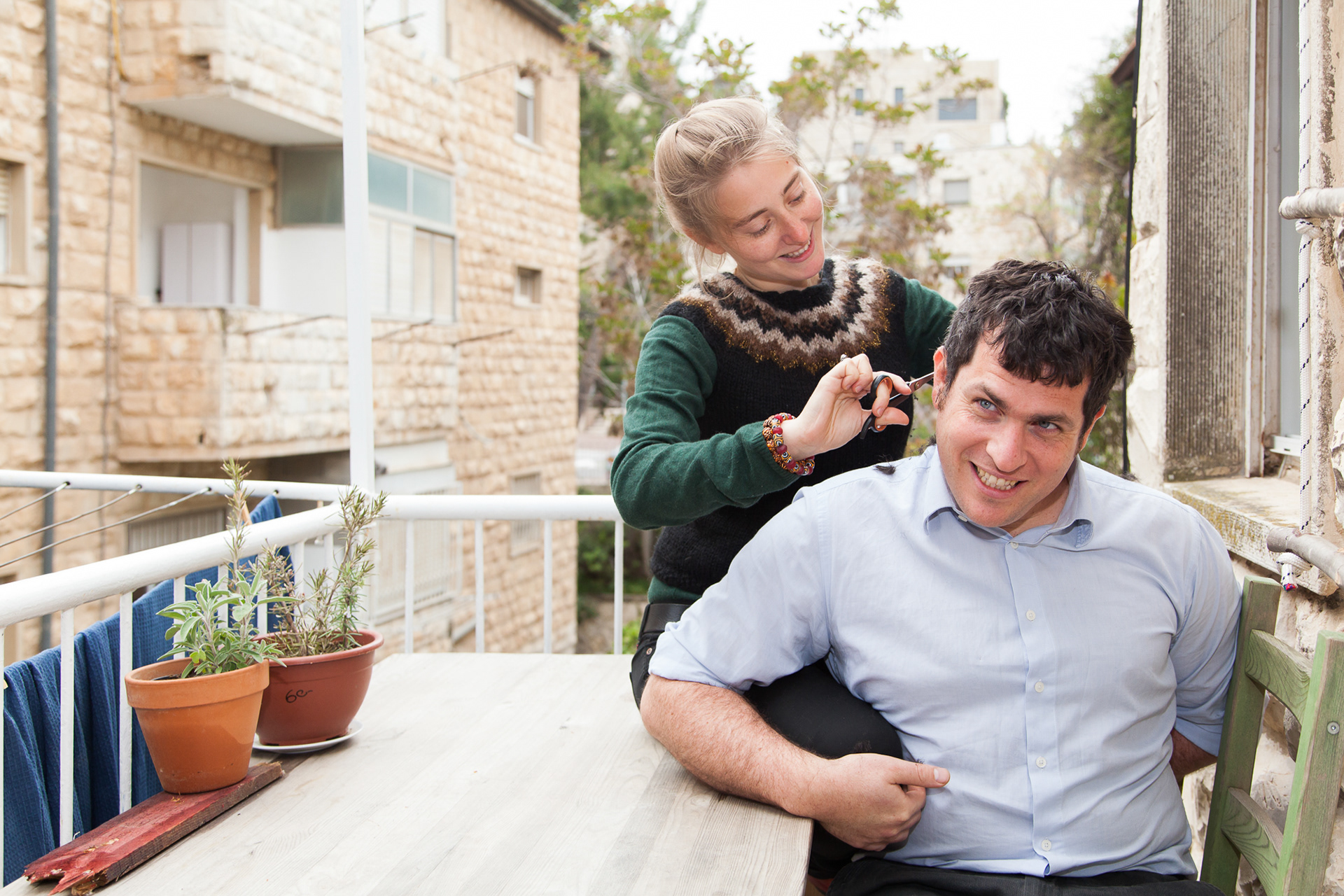
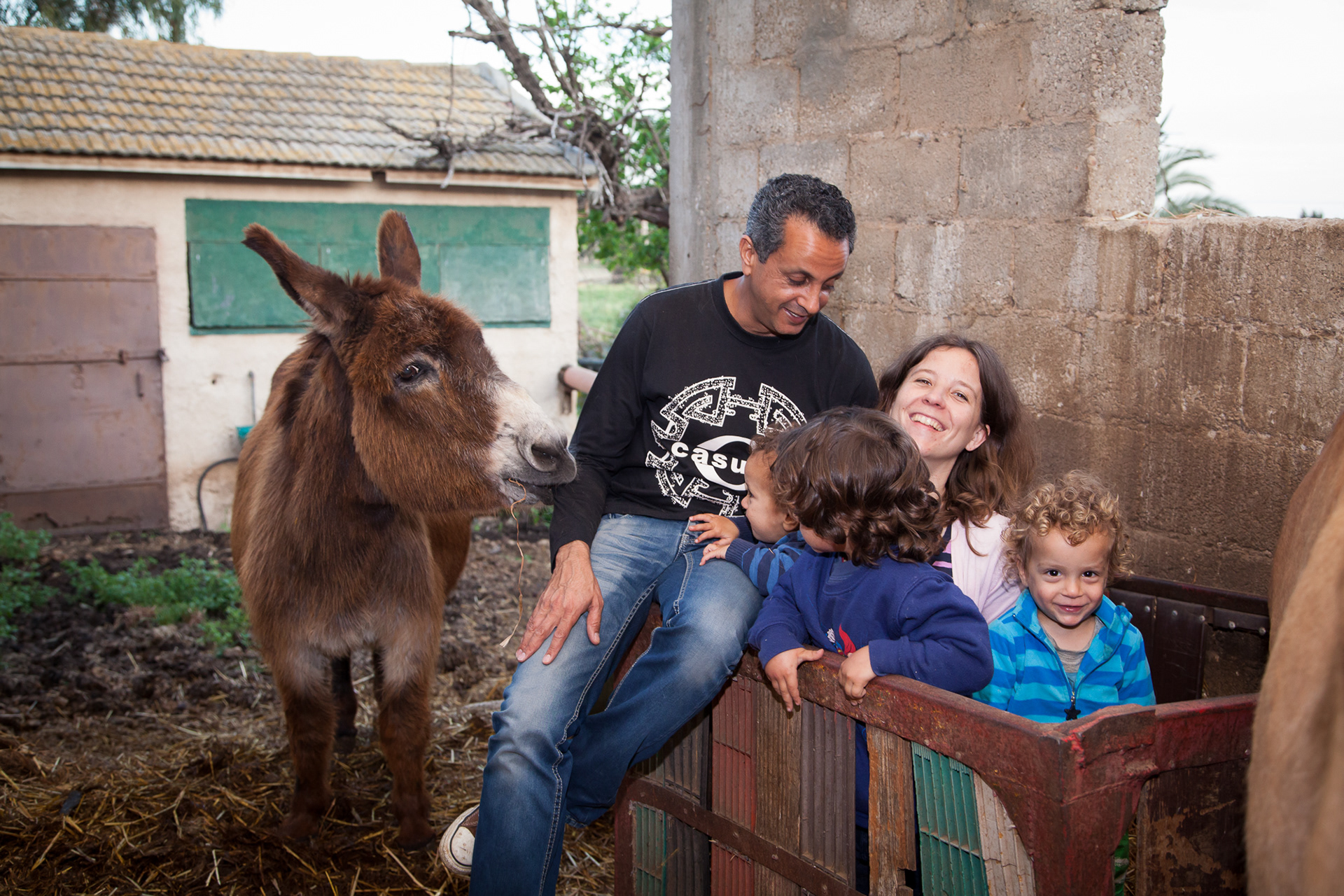
The project combines visual and narrative elements to explore the diversity of German–Israeli partnerships. Couples and families were photographed in their homes in Germany and Israel, situating their relationships within everyday environments and emphasizing the individuality of their lived worlds.
Accompanying texts (not included on this website) document how the participants met and reflect on whether—and in what ways—Germany’s past shapes their relationships.
At its core, the work suggests that personal connection can exceed historically constructed boundaries, while still remaining in dialogue with them.
Funding and Support
This project was supported by the Division for International Relations – Africa, Near and Middle East of the Berlin Senate Chancellery, the Young Forum of the German–Israeli Society, and HaBait.
This project was supported by the Division for International Relations – Africa, Near and Middle East of the Berlin Senate Chancellery, the Young Forum of the German–Israeli Society, and HaBait.